
Vera Isler
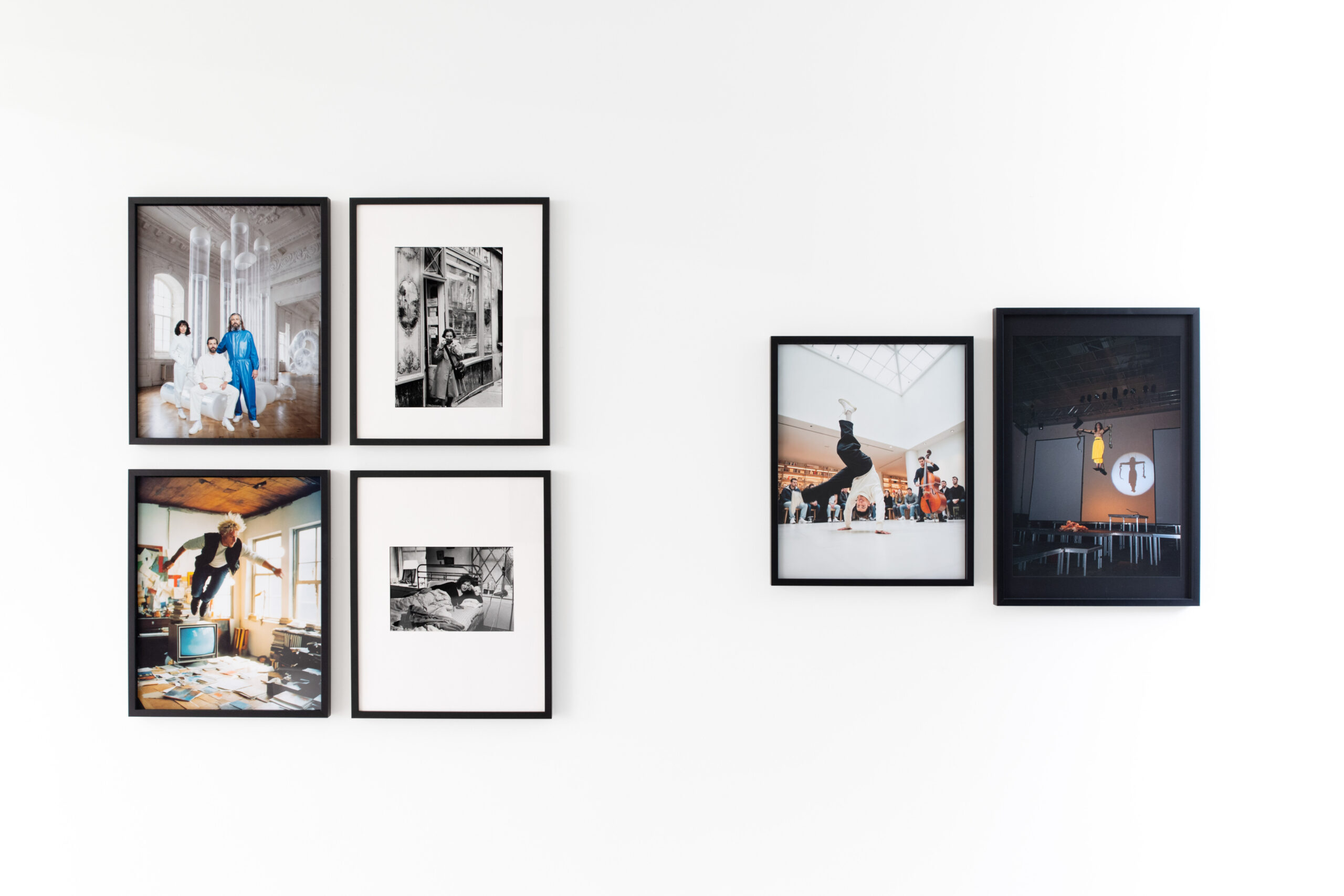
Vera Isler & Philipp Gasser: „Hommage aux Artistes“, 2025, Exhibition view.
Image credits: Leah Studinger
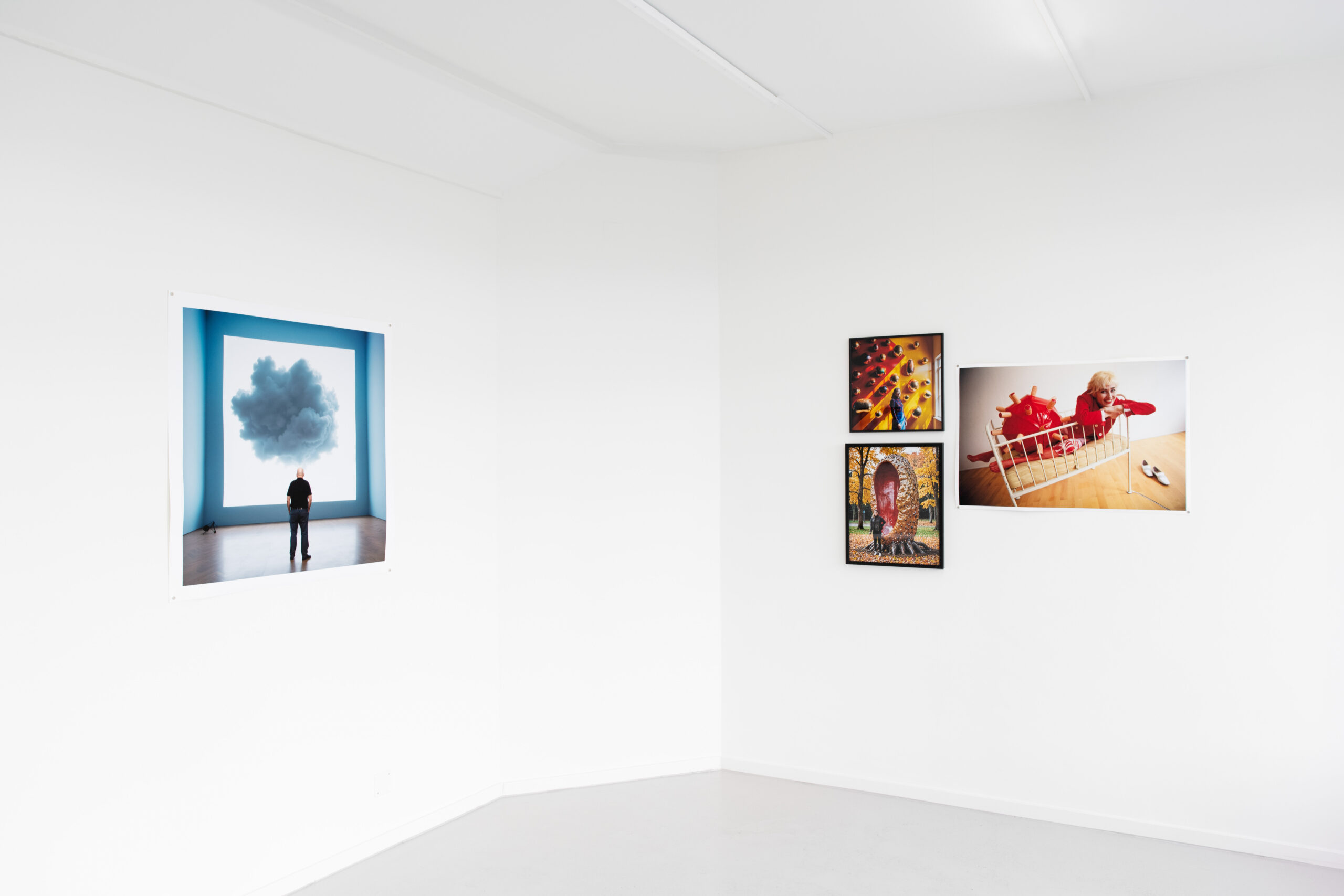
Vera Isler & Philipp Gasser: „Hommage aux Artistes“, 2025, Exhibition view.
Image credits: Leah Studinger
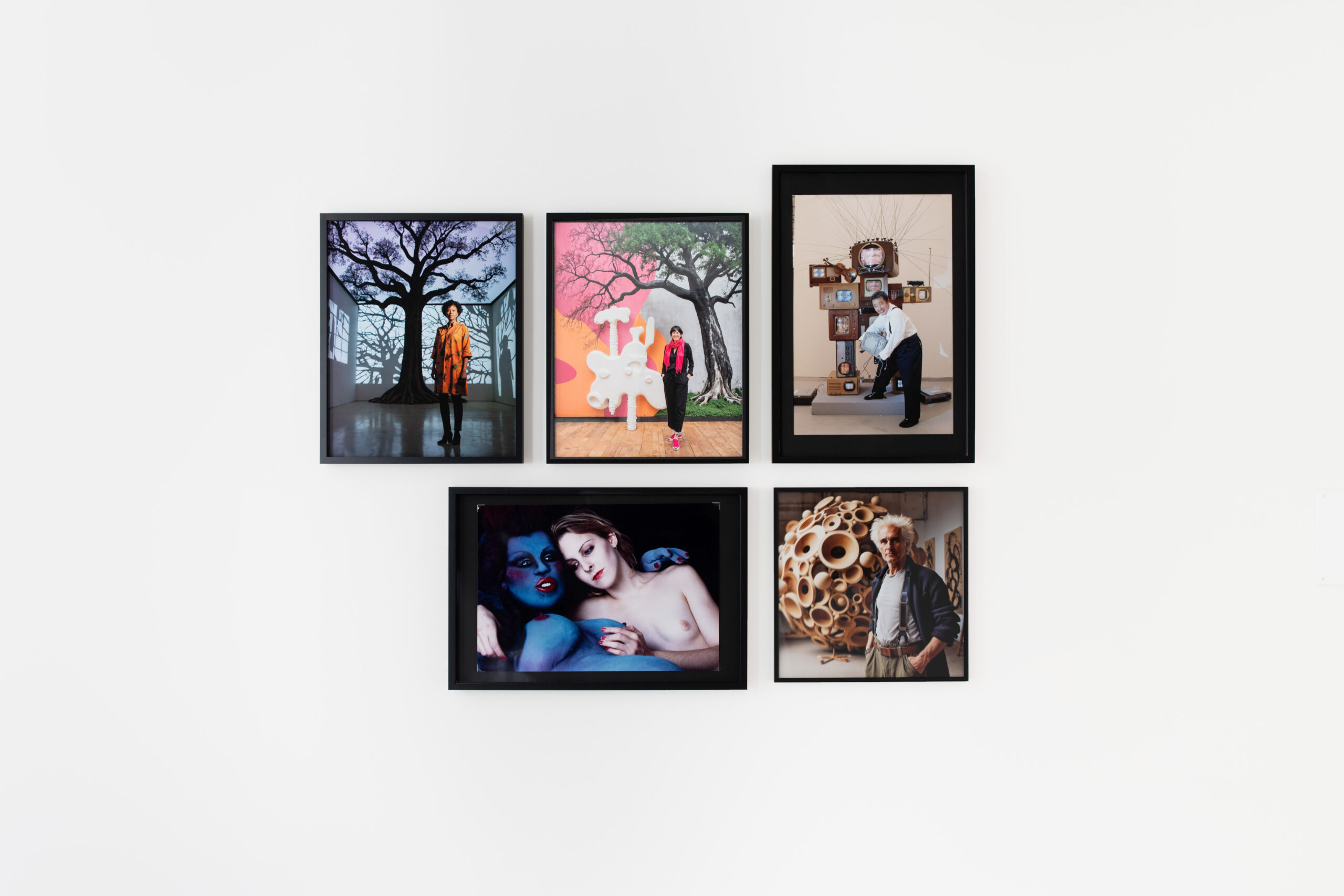
Vera Isler & Philipp Gasser: „Hommage aux Artistes“, 2025, Exhibition view.
Image credits: Leah Studinger
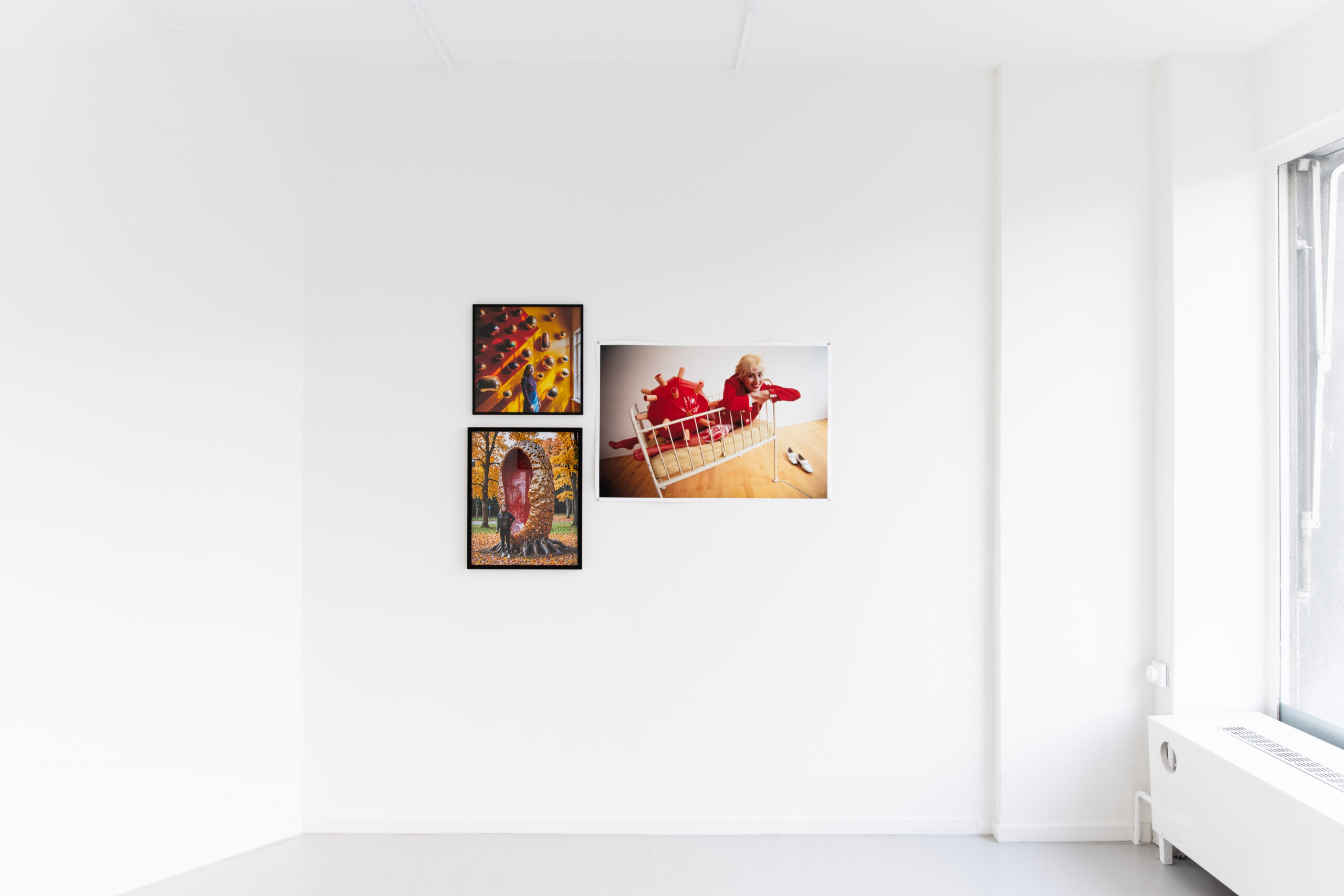
Vera Isler & Philipp Gasser: „Hommage aux Artistes“, 2025, Exhibition view.
Image credits: Leah Studinger
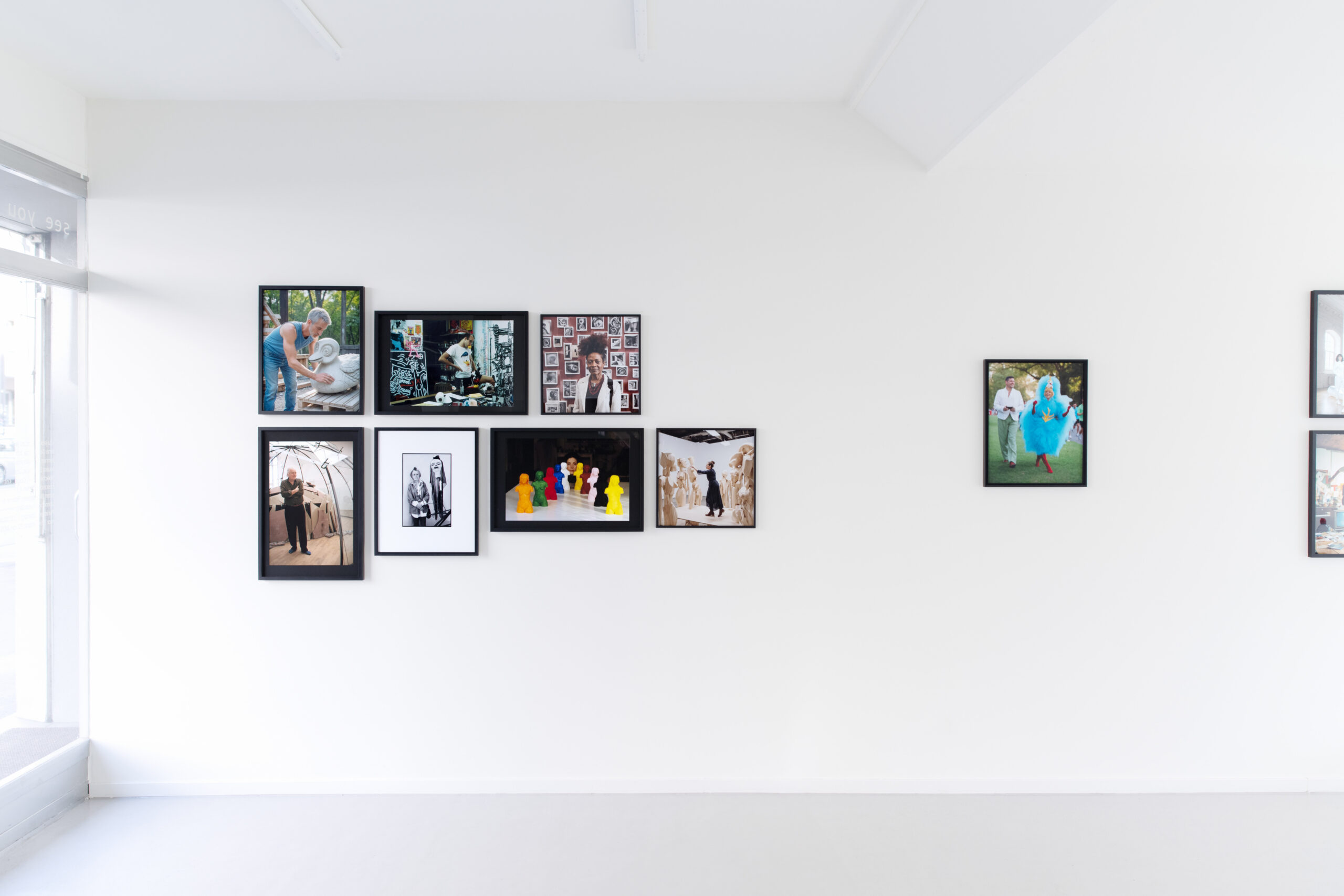
Vera Isler & Philipp Gasser: „Hommage aux Artistes“, 2025, Exhibition view.
Image credits: Leah Studinger
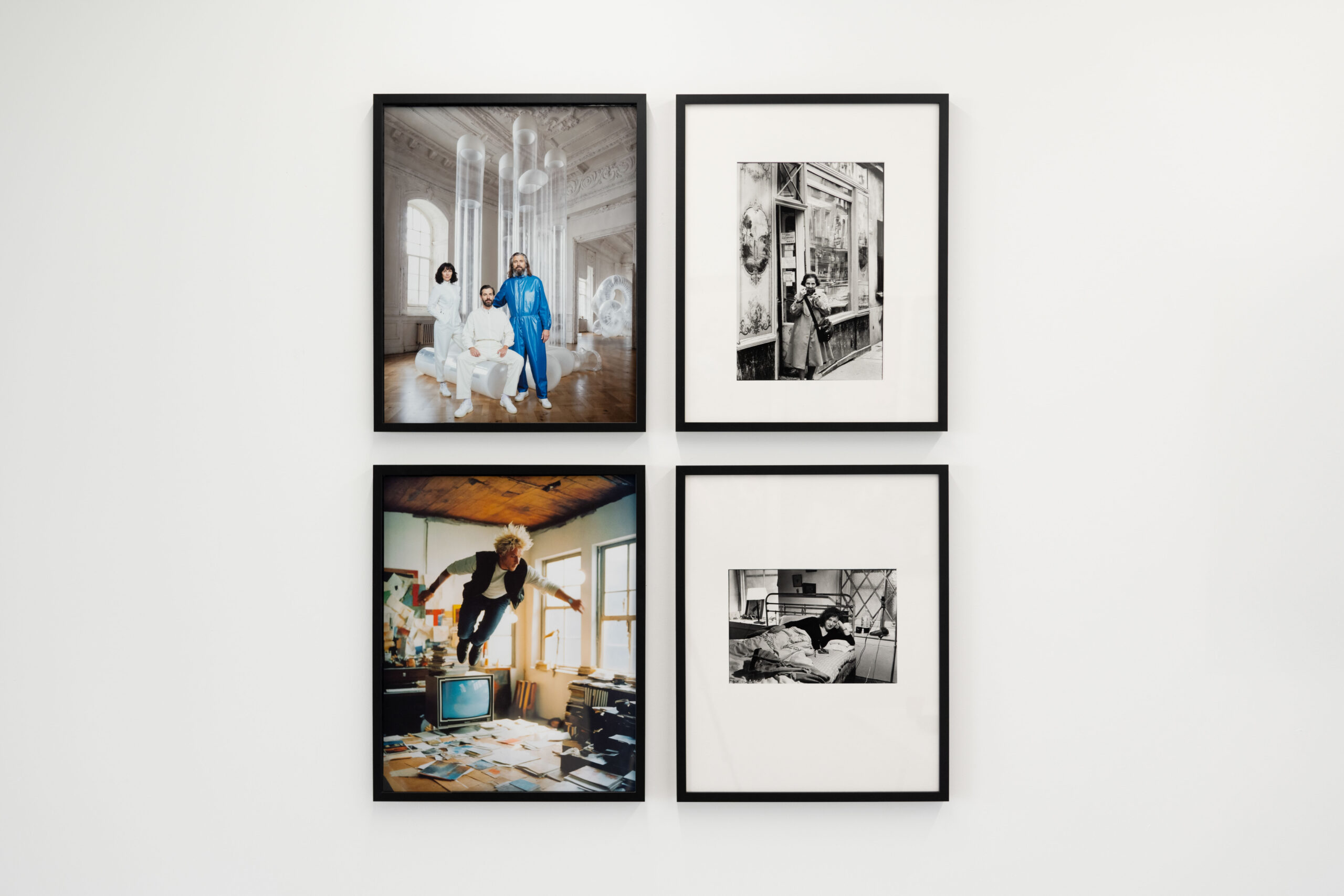
Vera Isler & Philipp Gasser: „Hommage aux Artistes“, 2025, Exhibition view.
Image credits: Leah Studinger
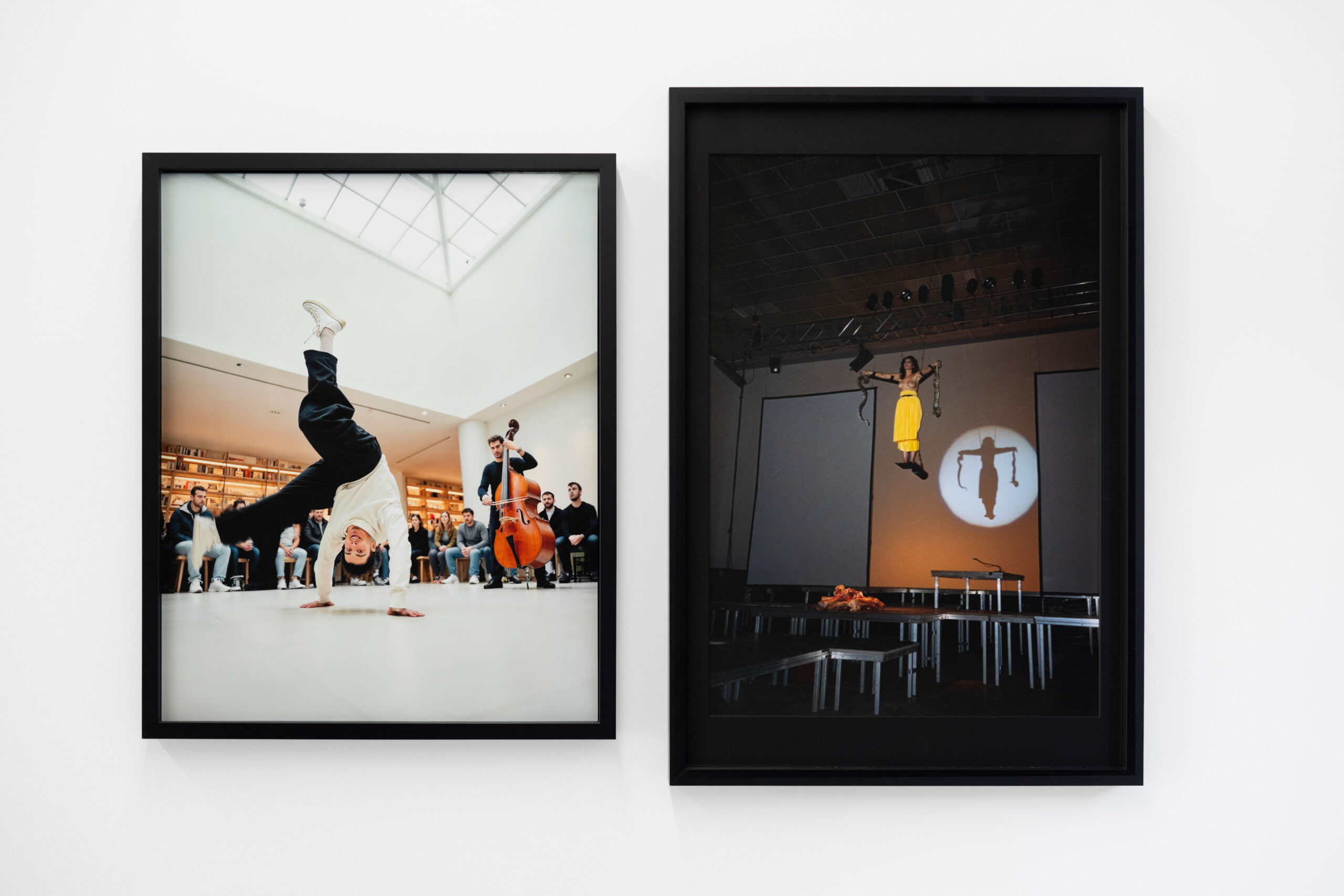
Vera Isler & Philipp Gasser: „Hommage aux Artistes“, 2025, Exhibition view.
Image credits: Leah Studinger
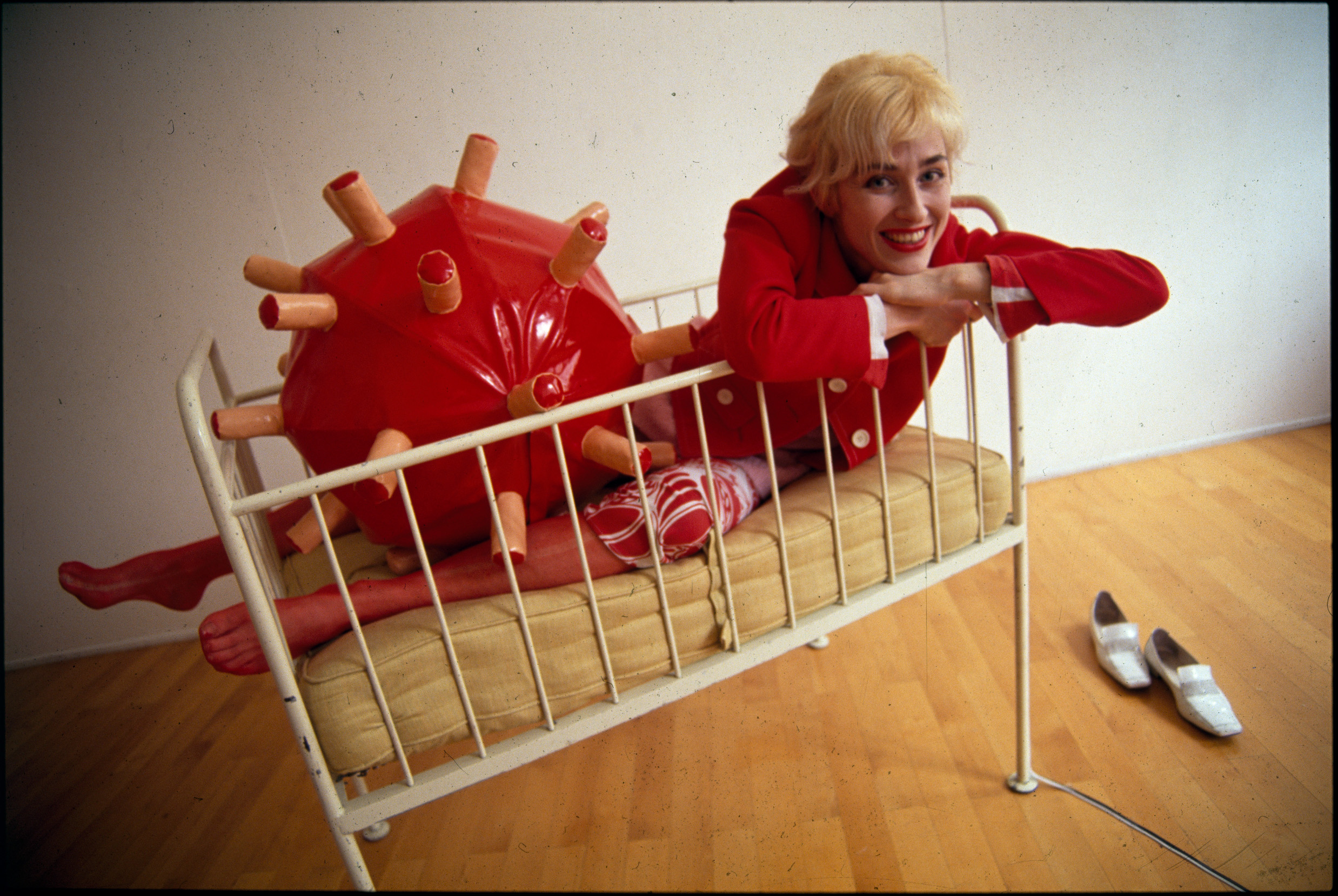
Vera Isler: “Pipilotti Rist, Studio Basel” 1993, 56.2 × 84.1 cm, Fine Art Print, Ed.: 3 + 1 ap
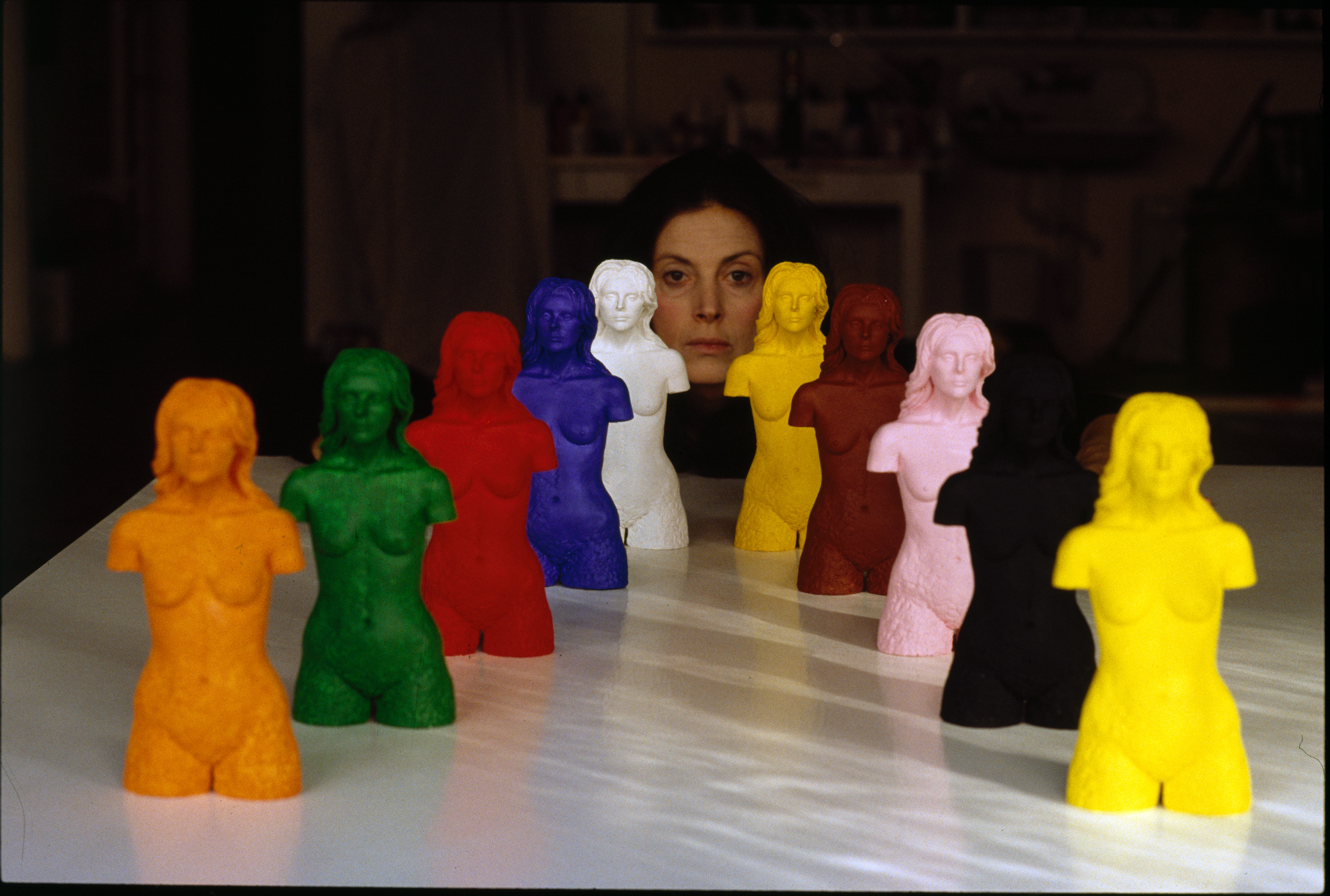
Vera Isler: “Hannah Wilke” 1982–84, 30 × 50 cm, 42 × 62 cm (framed), Fine Art Print, Ed.: 3 + 1 ap
Swiss artist Vera Isler (b. 1931) first introduced her photographic portraits of artists in 1992 with the publication of Face to Face. Since then, she continued to create striking portraits of prominent figures in the international art scene, culminating in the release of Face to Face II in 2011 (Tinguely Museum and MMK Salzburg). Isler’s portraits are distinguished by their remarkable directness. Avoiding sophisticated equipment, flash, or assistants, she chose to photograph her subjects not in a controlled studio environment but in their own ateliers or exhibition settings. This approach fostered a sense of informality and ease, allowing Isler to present her subjects as equals, engaging with them on their level.
Although her portraits exude a casual and personable quality, they were thoughtfully staged and meticulously curated to achieve this effect. Most of her works were rendered in black and white and often presented as life-sized prints, further enhancing their immediacy and impact.
Alongside her black-and-white project, Isler experimented with Kodachrome slide film, playfully collaborating with artists to create an endless series of vibrant and dynamic photographs. Until now, these images have never been published or presented to a wider audience.
Before turning to photography, Vera Isler explored a diverse range of media and techniques, focusing on the intersections between art and natural sciences. Her early work was rooted in three-dimensional art, and in the 1970s, she used disposable medical packaging to create reliefs and objects she called Programmations. She later visualized DNA in her innovative series Genetics. During this period, Isler’s works addressed themes that remain deeply relevant today. It was only around 1980 that Isler began her journey into photography. She initially focused on series documenting the U.S. queer scene and the youth movements of the early 1980s, capturing their “AJZs” (“autonomous youth centers”) in her book Kunst der Verweigerung (Art of Non-Compliance). Later, her pho- tographic attention shifted to portraits of elderly individuals. After 1992, however, her primary focus was on capturing portraits of photographers and artists.
In the last years of her life, Isler expanded her artistic repertoire to include video and film recordings. True to her nature, her work continued to be driven by a constant urge to experiment and explore new creative possibilities. A diagnosis of breast cancer in 1998 marked a major turning point in her life. Isler insisted on undergoing a double mastectomy. In 2000, she published her biography, Auch ich (Me Too). In 2011, A Flash of Light, Please!, a documentary film about her life, was released.
CV
Exhibitions & Projects
Available works
Vera Isler: “Hannah Wilke” 1982–84, 30 × 50 cm, 42 × 62 cm (framed), Fine Art Print, Ed.: 3 + 1 ap
30 × 50 cm, 42 × 62 cm (framed), Fine Art Print, Ed.: 3 + 1 ap
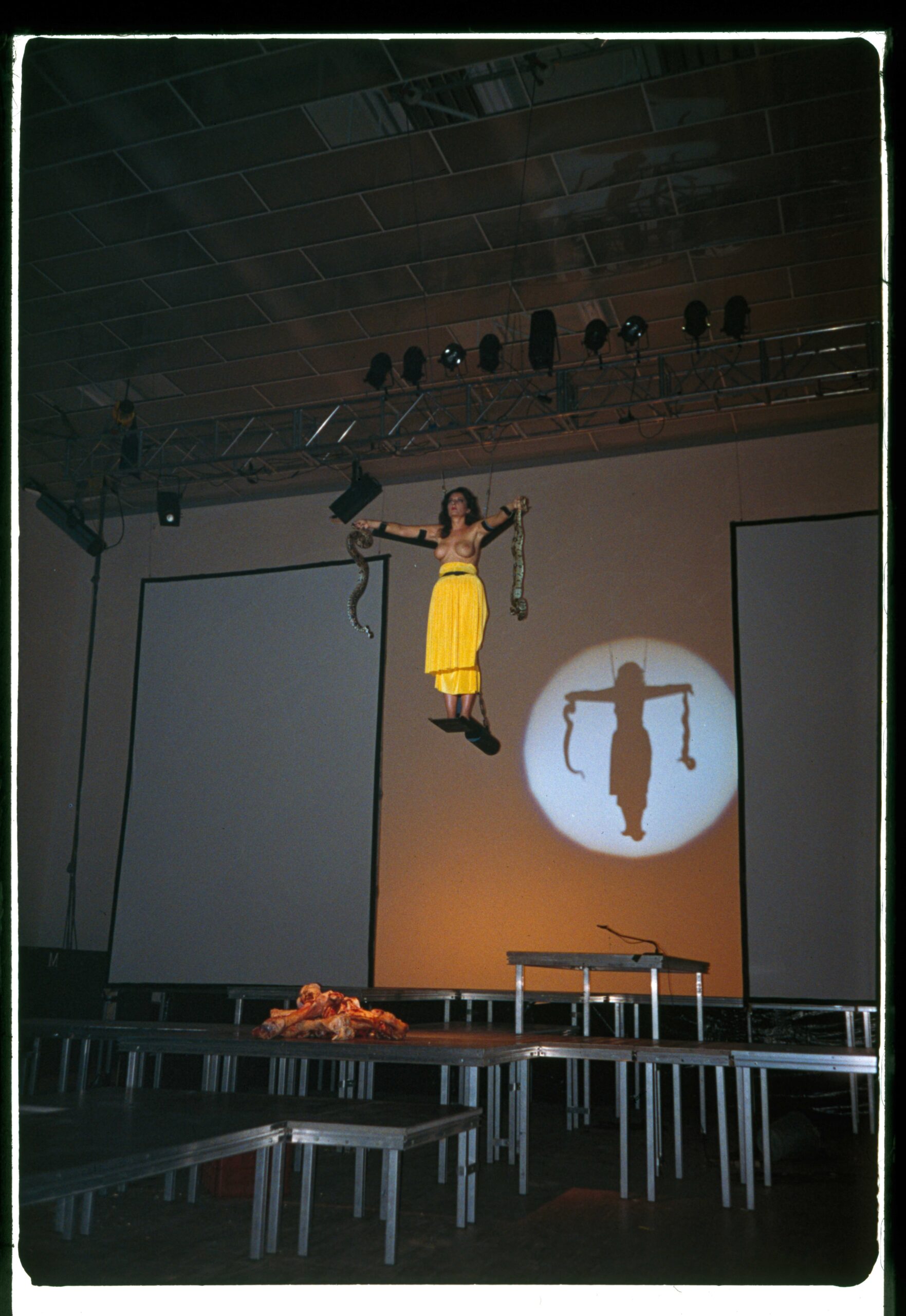
Vera Isler: “Marina Abramovic, Kunsthalle Wien” 1992, 50 × 35 cm, 62 × 42 cm (framed), Fine Art Print, Ed.: 3 + 1 ap
50 × 35 cm, 62 × 42 cm (framed), Fine Art Print, Ed.: 3 + 1 ap
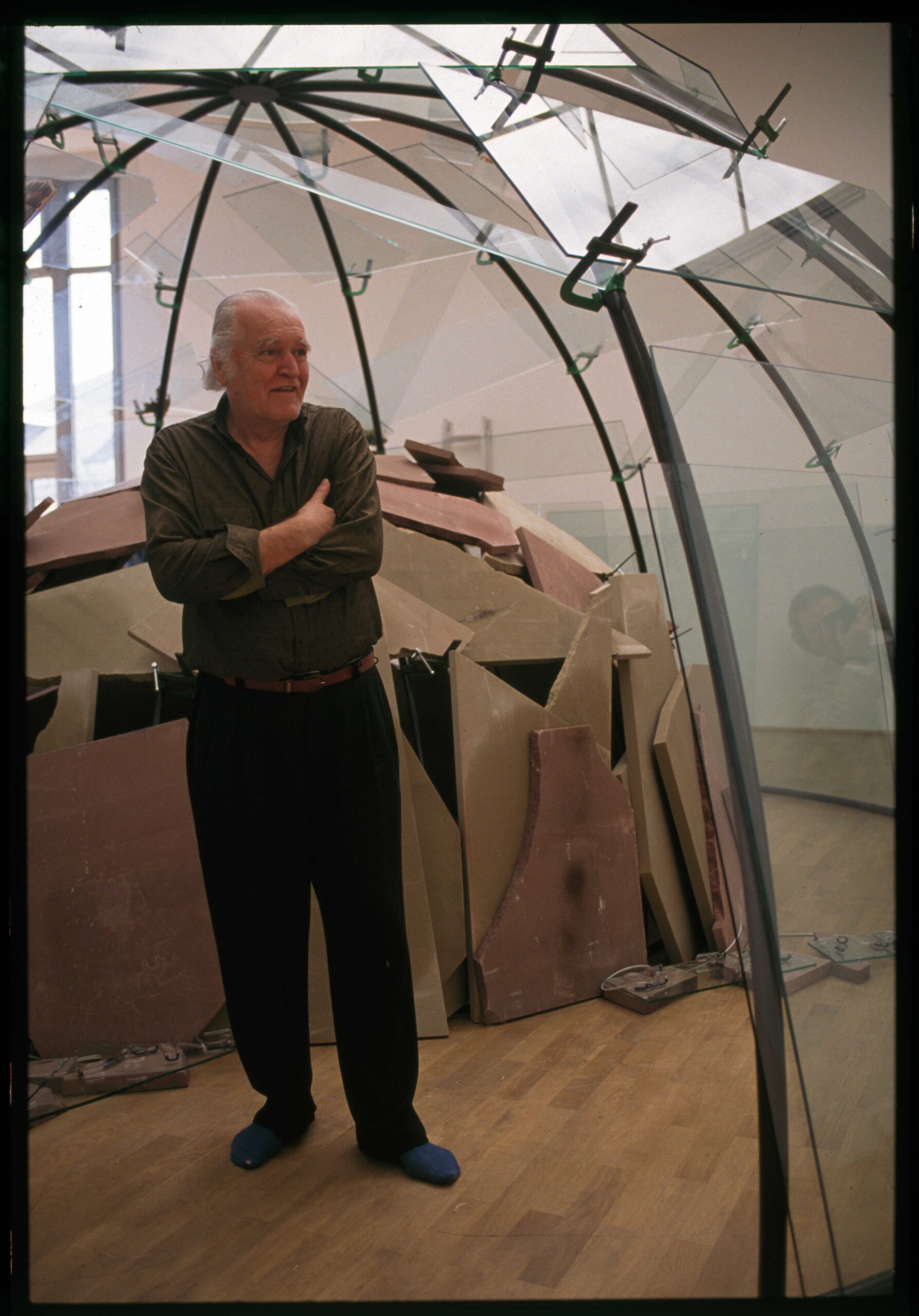
Vera Isler: “Mario Merz, MMK Frankfurt” 1991, 34 × 50 cm, 62 × 42 cm (framed), Fine Art Print, Ed.: 3 + 1ap
34 × 50 cm, 62 × 42 cm (framed), Fine Art Print, Ed.: 3 + 1ap
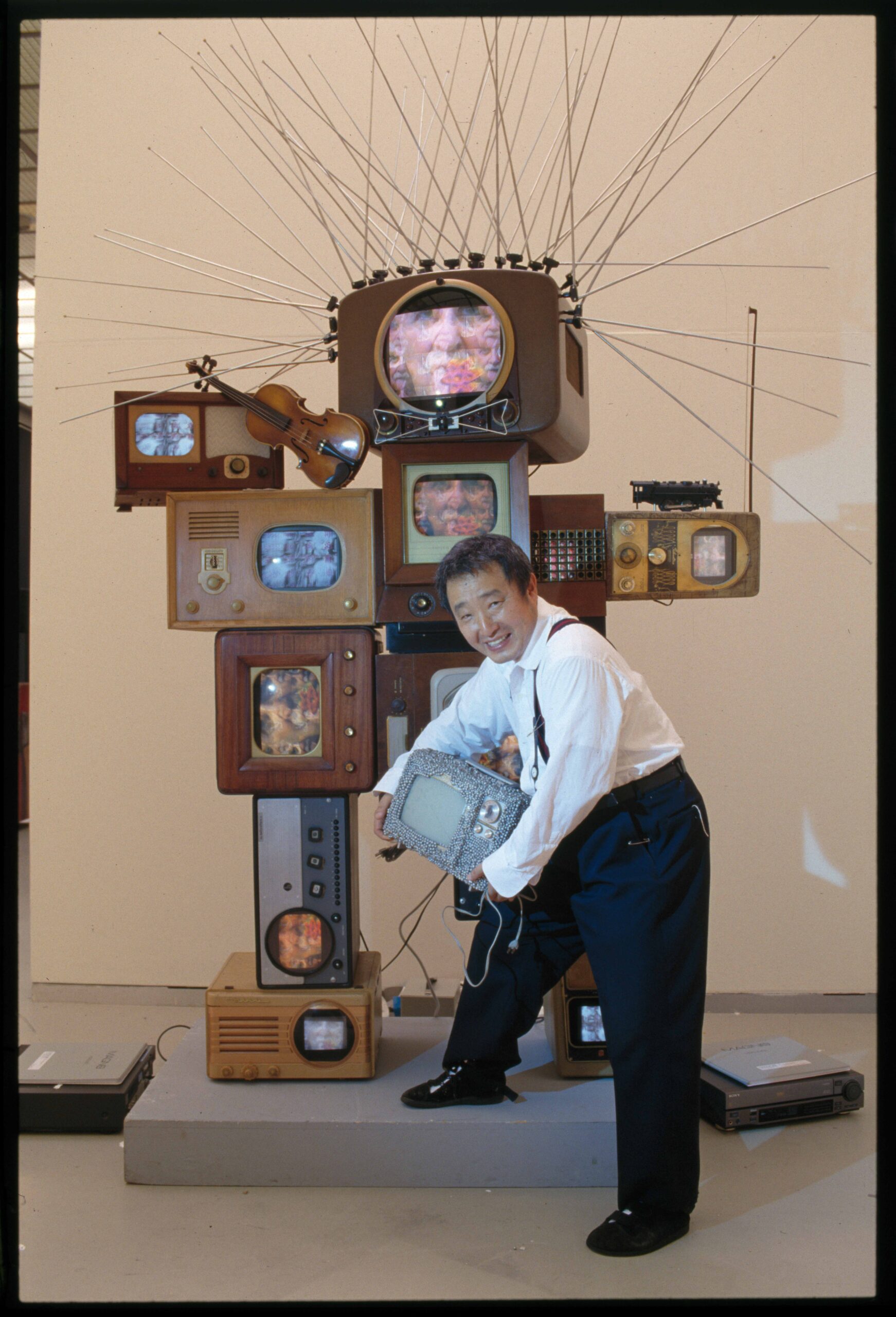
Vera Isler: “Nam Jun Paik, Kunsthaus Zürich” 1991, 50 × 33 cm, 62 × 42 cm (framed), Fine Art Print, Ed.: 3 + 1 ap
50 × 33 cm, 62 × 42 cm (framed), Fine Art Print, Ed.: 3 + 1 ap
Vera Isler: “Pipilotti Rist, Studio Basel” 1993, 56.2 × 84.1 cm, Fine Art Print, Ed.: 3 + 1 ap
56.2 × 84.1 cm, Fine Art Print, Ed.: 3 + 1 ap