
Nici Jost
Rainbows and Unicorns – Pink Codes
26.8.–16.10.2026
Co-curated by Dominique Grisard and Isabel Balzer
Opening:
Tuesday, August 25, 18–20h
Guided Tour with Artist Nici Jost:
Friday, August 28, 15h
Saturday, August 29, 13h
Performance Jacqueline Loekito – Gender in Suspension:
Saturday, August 29, 15h
As part of a fashion performance for Jacqueline Loekito’s collection Gender in Suspension, Jaz & Kincső explore the intersections of gender, identity, and diversity through movement and performance.
Guided Tour and Artist Talk with Nici Jost at the Gallery with Pink Apéro:
Monday, October 5, 18h
Finissage:
October 16, 17–19h
Image: Nici Jost, The Colour of Pink, 2026
(Extract from the work group)
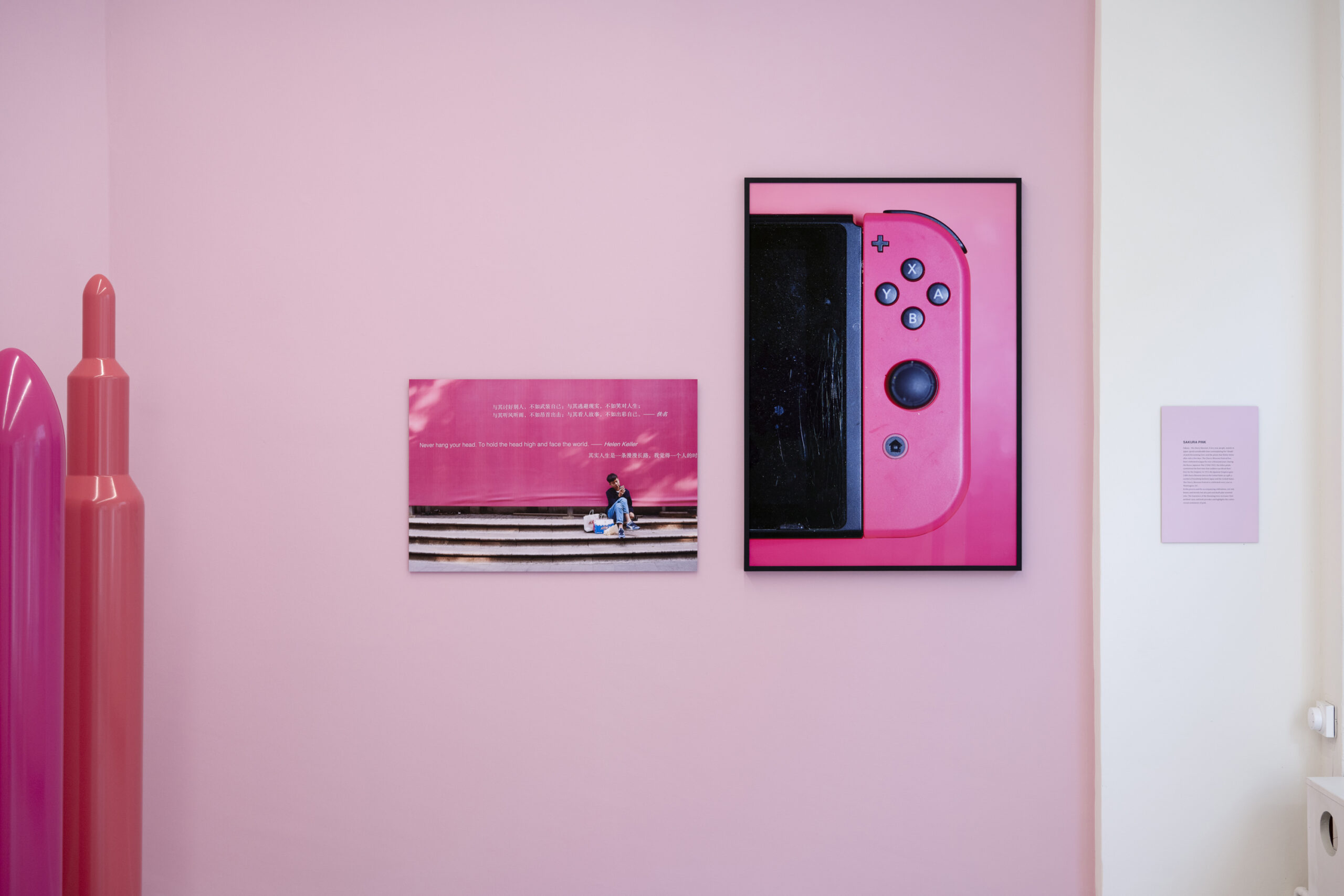
Nici Jost: „Rainbows and Unicorns – Pink Codes“, 2026, Exhibition view, See you next tuesday, Basel, CH
Image credits: Leah Studinger
Nici Jost: „Rainbows and Unicorns – Pink Codes“, 2026, Exhibition view, See you next tuesday, Basel, CH
Image credits: Leah Studinger

Nici Jost: „Rainbows and Unicorns – Pink Codes“, 2026, Exhibition view, See you next tuesday, Basel, CH
Image credits: Leah Studinger

Nici Jost: „Rainbows and Unicorns – Pink Codes“, 2026, Exhibition view, See you next tuesday, Basel, CH
Image credits: Leah Studinger
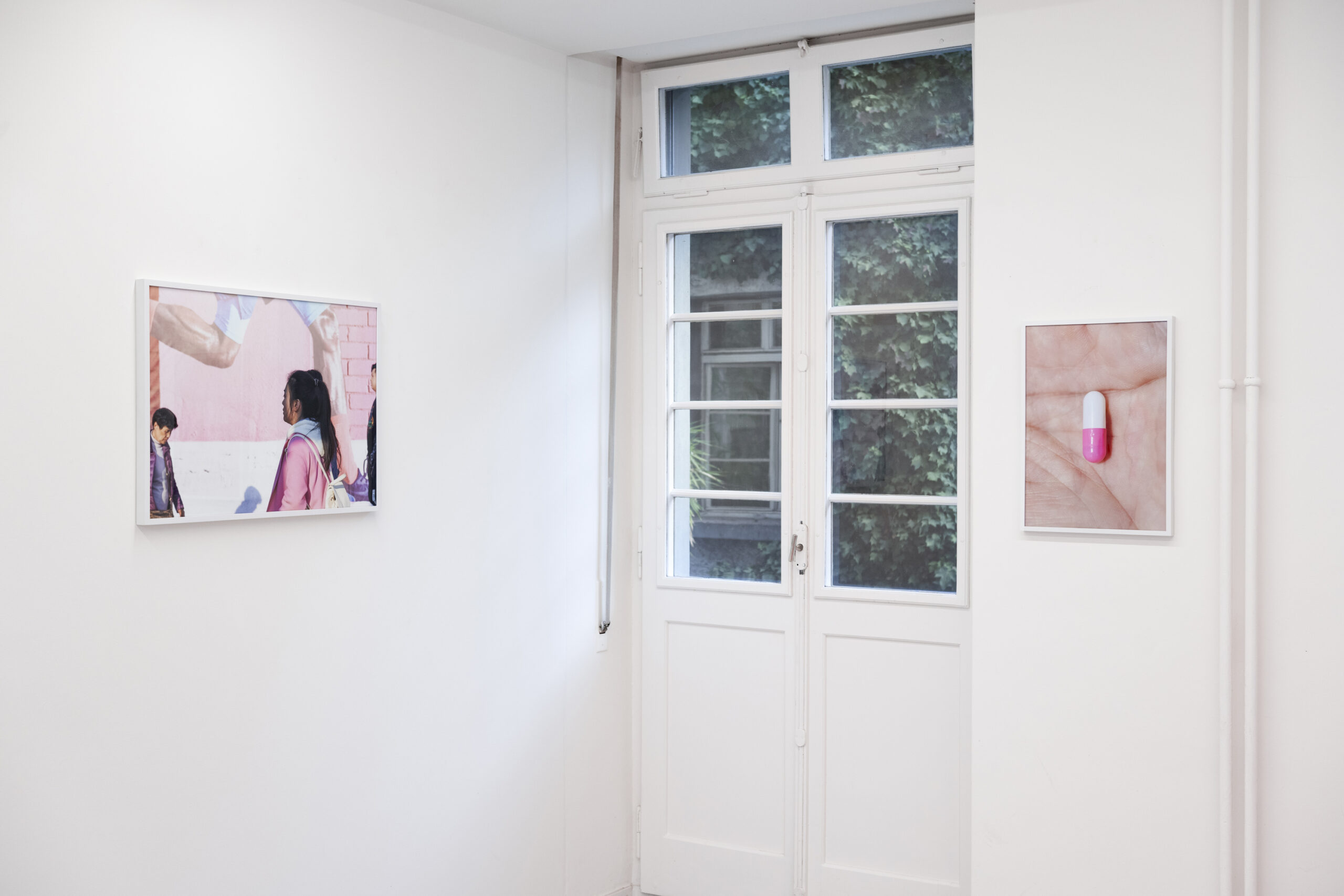
Nici Jost: „Rainbows and Unicorns – Pink Codes“, 2026, Exhibition view, See you next tuesday, Basel, CH
Image credits: Leah Studinger
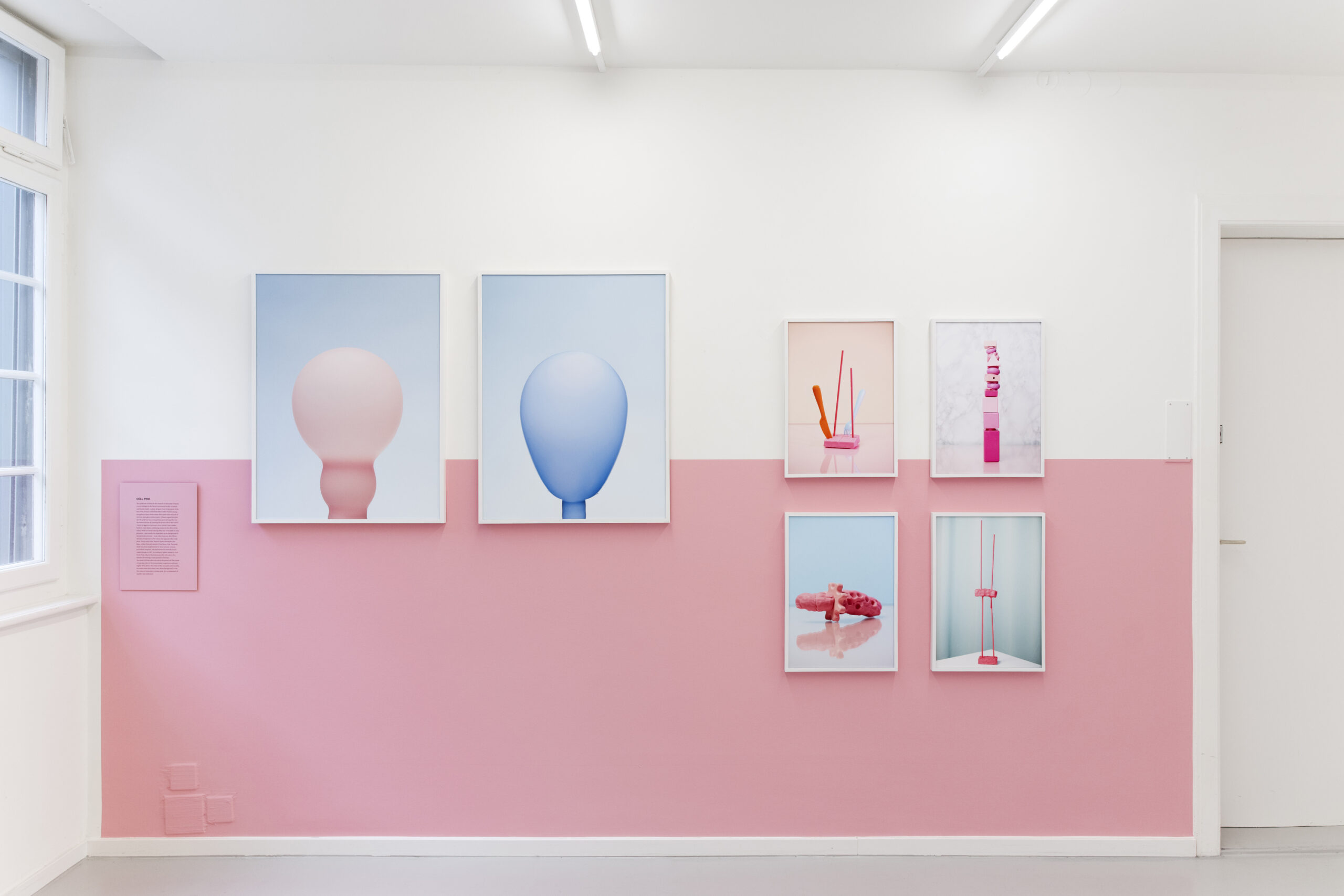
Nici Jost: „Rainbows and Unicorns – Pink Codes“, 2026, Exhibition view, See you next tuesday, Basel, CH
Image credits: Leah Studinger

Nici Jost: „Rainbows and Unicorns – Pink Codes“, 2026, Exhibition view, See you next tuesday, Basel, CH
Image credits: Leah Studinger
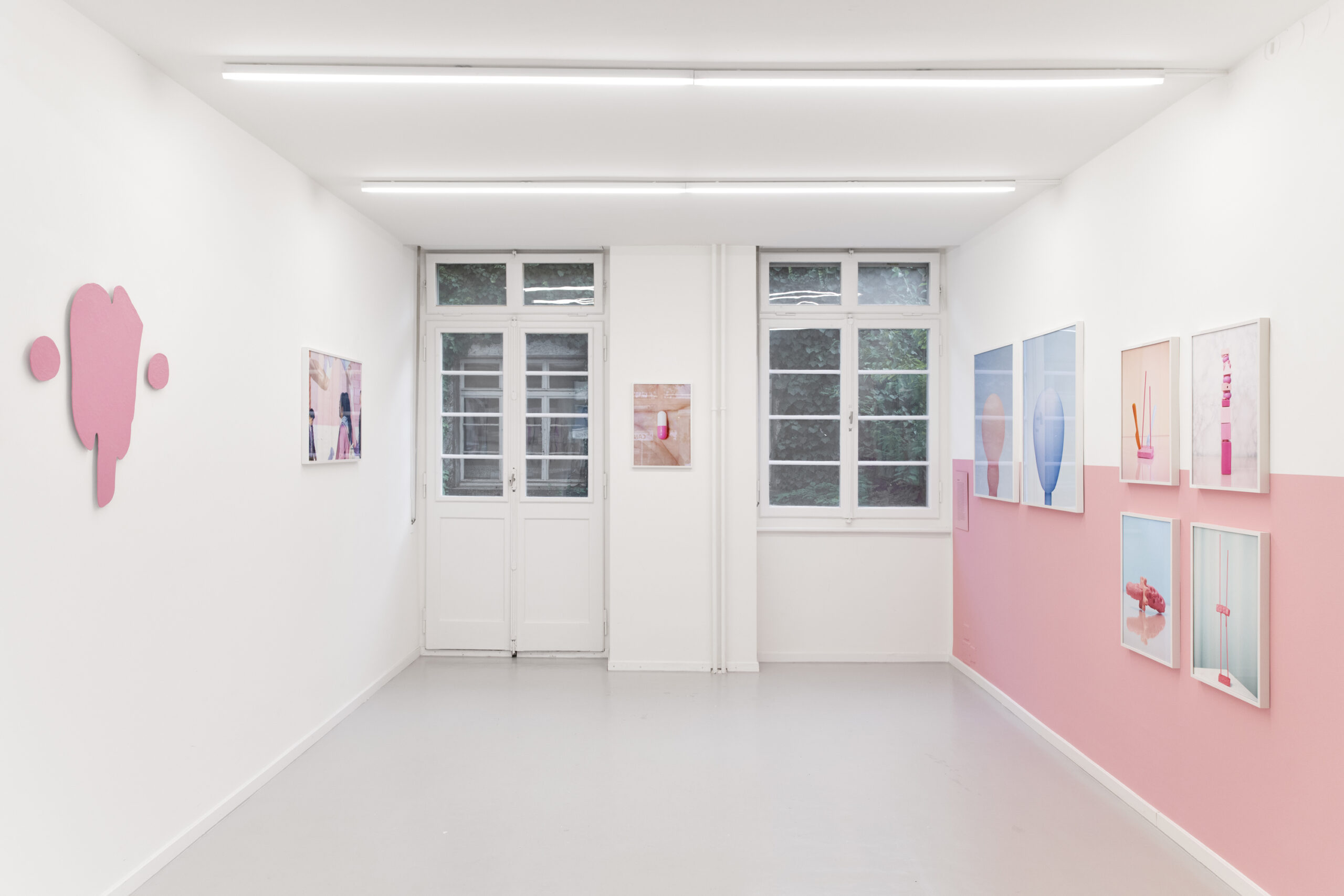
Nici Jost: „Rainbows and Unicorns – Pink Codes“, 2026, Exhibition view, See you next tuesday, Basel, CH
Image credits: Leah Studinger
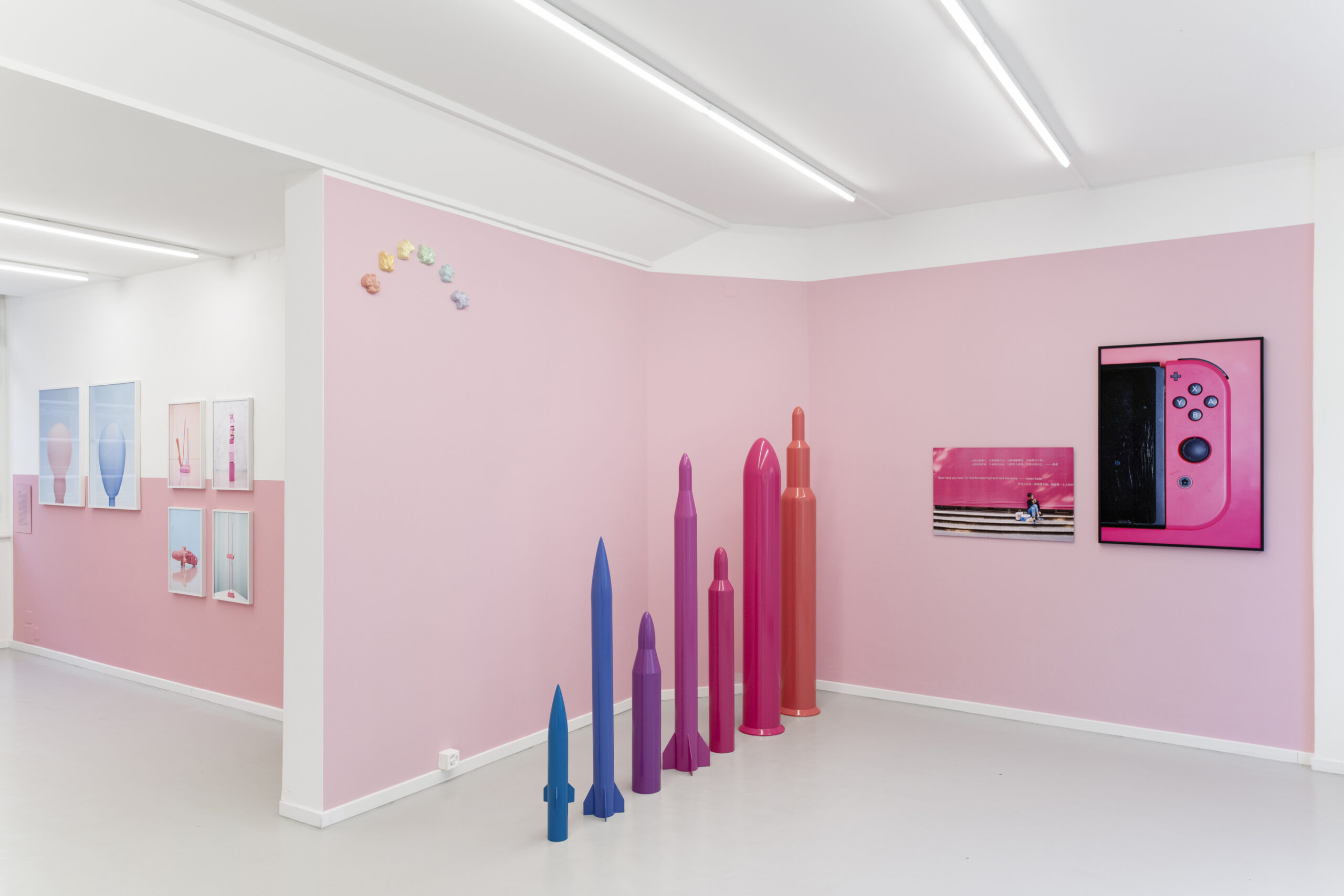
Nici Jost: „Rainbows and Unicorns – Pink Codes“, 2026, Exhibition view, See you next tuesday, Basel, CH
Image credits: Leah Studinger
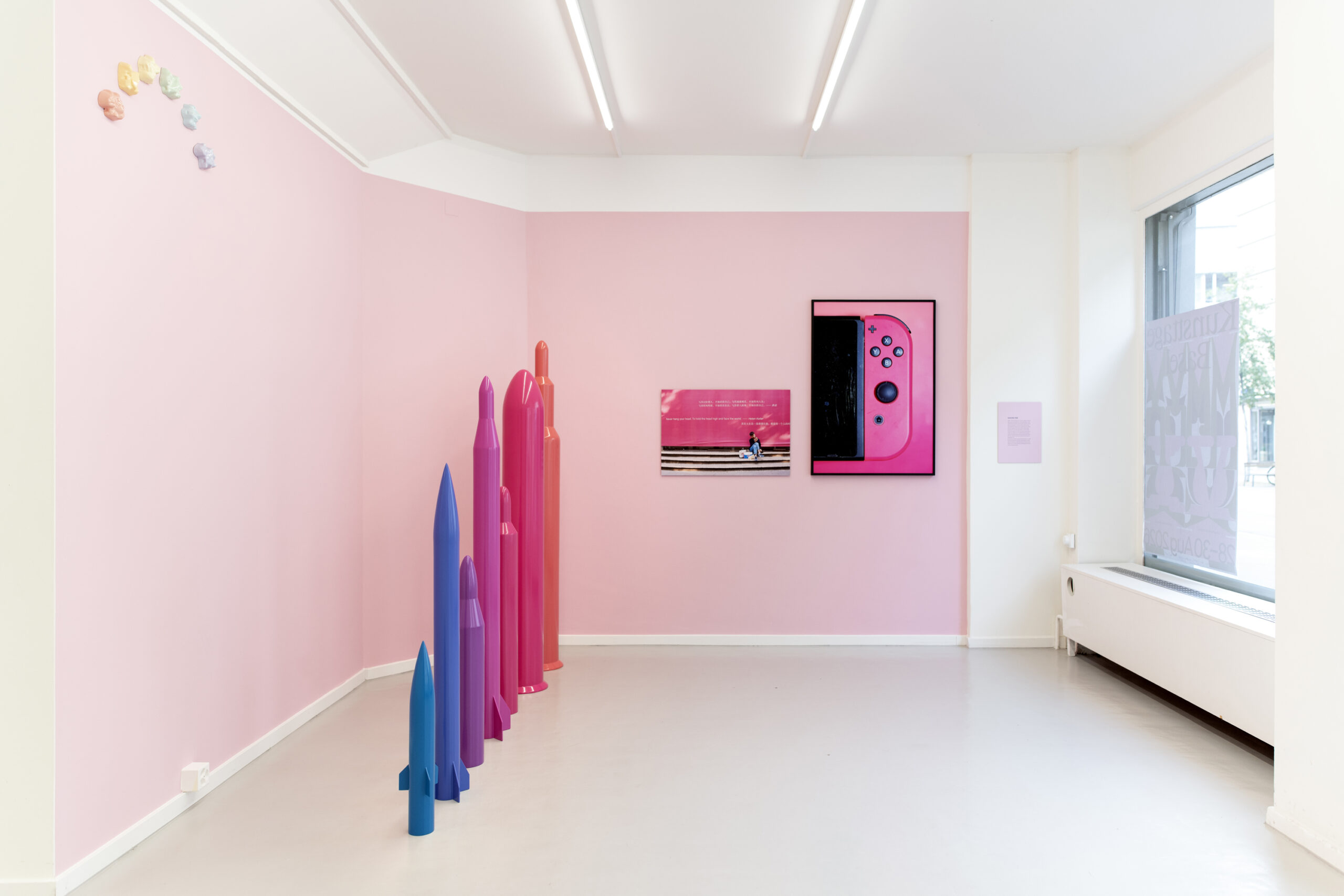
Nici Jost: „Rainbows and Unicorns – Pink Codes“, 2026, Exhibition view, See you next tuesday, Basel, CH
Image credits: Leah Studinger

Nici Jost: „Rainbows and Unicorns – Pink Codes“, 2026, Exhibition view, See you next tuesday, Basel, CH
Image credits: Leah Studinger

Nici Jost: „Rainbows and Unicorns – Pink Codes“, 2026, Exhibition view, See you next tuesday, Basel, CH
Image credits: Leah Studinger
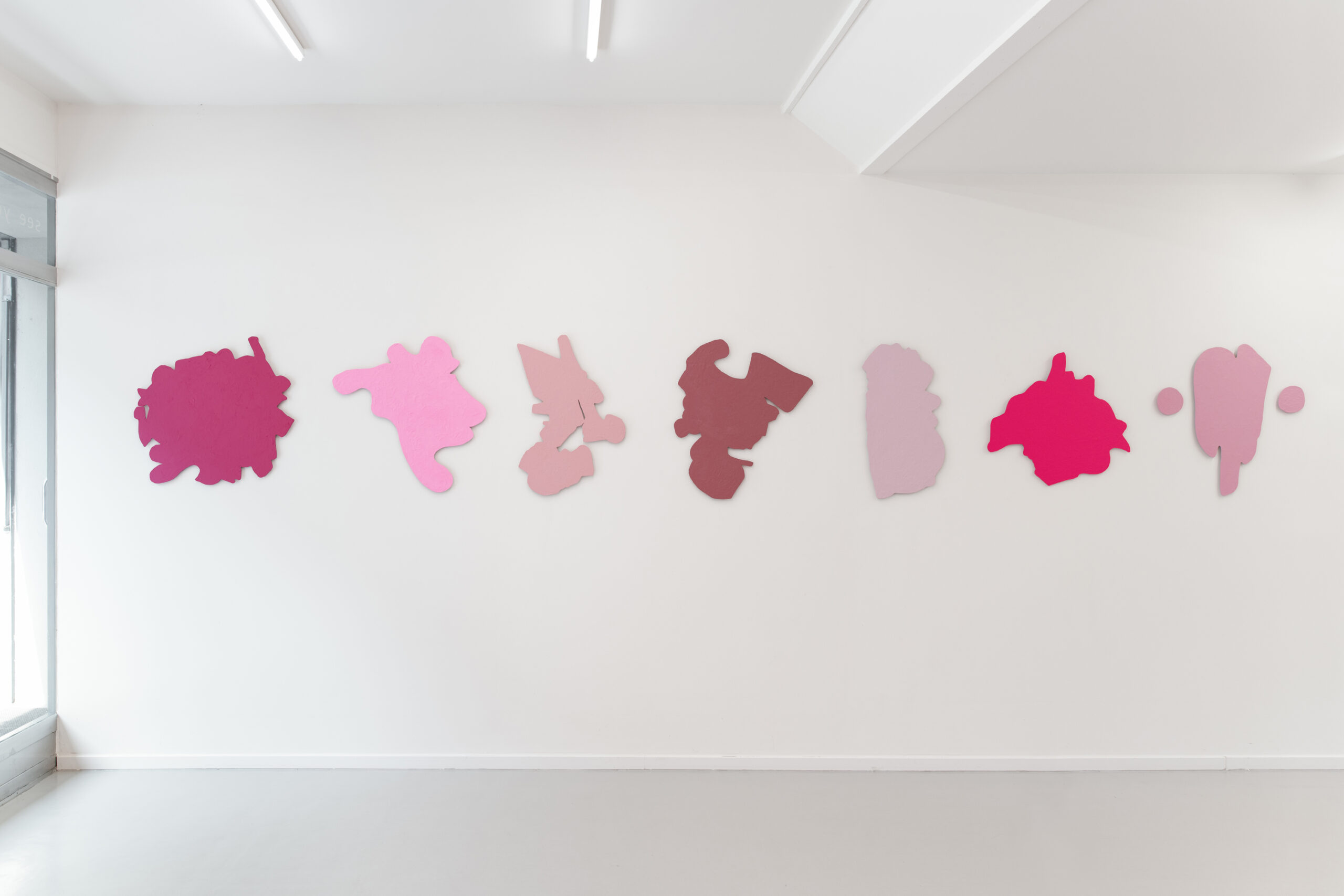
Nici Jost: „Rainbows and Unicorns – Pink Codes“, 2026, Exhibition view, See you next tuesday, Basel, CH
Image credits: Leah Studinger
“Rainbows and Unicorns – Pink Codes,” a solo exhibition by Swiss-Canadian artist Nici Jost, explores how color codes shape politics, society, and culture. At its center is pink as a cultural sign system – charged with associations of childhood, kitsch, and gender. The exhibition features new sculptures, wall objects and photographic works, accompanied by guided tours and Jacqueline Loekito’s performance “Gender in Suspension.”
In Rainbows and Unicorns – Pink Codes, pink becomes a method of seeing: an instrument that reveals the chromatic divisions along which gender, bodies, and power are organized.
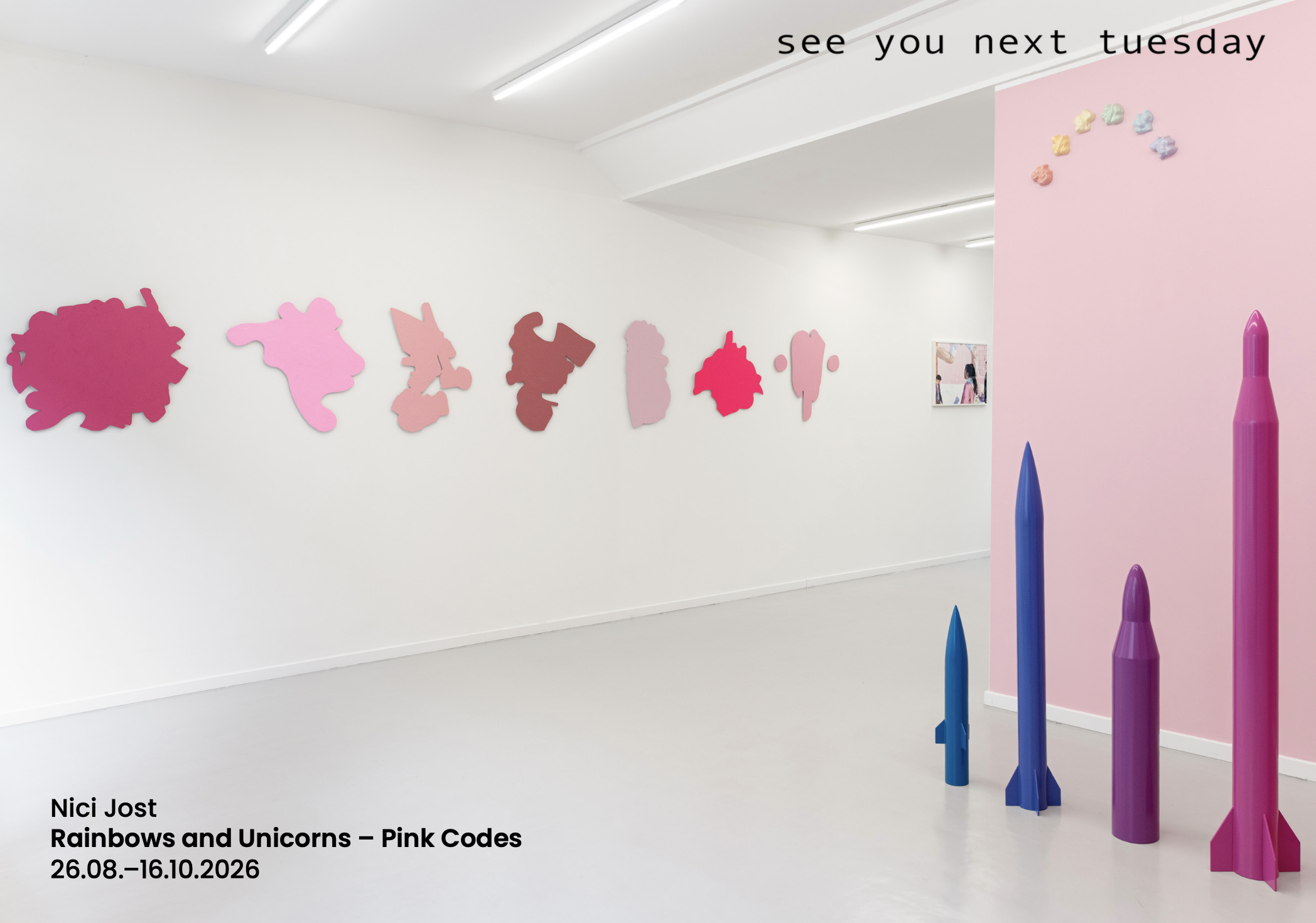
Nici Jost’s new body of work, Range (2026), translates this method into a physical presence in space. Its point of departure is an infographic published by the Tages-Anzeiger in 2017, which ranks North Korean missiles according to their range, using a colour gradient from blue through violet to pink. The sculptures do not follow the weapon itself, but rather the graphic: its proportions, silhouettes, and its disconcertingly decorative colour spectrum. It is precisely this colouring that forms the critical core of Range. The infographic aestheticizes military threat by making ranges communicable through a gentle colour gradient. Nici Jost’s works demonstrate how colour not only makes power relations visible, but also orders, normalizes, and renders them consumable. They make clear how seemingly mundane and superficial elements, such as a specific coat of paint, can fundamentally shape political anatomies.
Colour exerts power through the codes it activates in social and cultural contexts. Chromatic codes can, following Riley, be understood as part of a déjà vu and déjà lu: they draw on conventions that have sedimented within the cultural imaginary of a particular time and place. As a result, they can be easily decoded by those familiar with the respective conventions. Take, for example, the combination of pink and light blue. It activates a ubiquitous binary colour logic: a chromatic coding that separates, normalizes, and renders bodies comparable in growth charts, toys, and everyday graphics. Reading pink-and-blue codes makes visible the “soft” power of gender socialization: its efficacy depends to a significant extent on repeated, immersive experiences in early childhood—“pink is for girls, blue is for boys”—and on the affective, emotional attachment that develops to these colours. This pink-and-blue biopolitics shapes bodies, perceptions, and structures of desire from an early age.
Jost’s body of work The Colour of Pink (2026), developed through her engagement with schoolchildren and the binary gender codes they assign to their toys, underscores this deeply rooted affective attachment. The abstract forms evoke outlines of countries, thereby pointing to the geopolitical dimensions of gendered colour codes: they emphasize how chromatic systems structure and aestheticize not only bodies, but also global regimes of knowledge and power.
In Nici Jost’s artistic practice, pink operates as a tool that repeatedly disrupts, opens up, and invites us to rethink the smooth surfaces of such systems of order.
(Text: Dominique Grisard)
About Nici Jost
Nici Jost is a Swiss-Canadian conceptual and multimedia artist. At the heart of her artistic practice is her long-standing exploration of the colour pink as a cultural, social, and political system of signs. In her research-based “Pink Colour System,” Jost examines the different meanings and perceptions of pink, as well as its impact within socially and technologically shaped visual worlds. Through photography, video works, and site-specific installations, Jost creates multisensory works that question perception, cultural codings, and social attributions. Her projects often unfold as spatial experiences that sharpen perception and put our ability to orient ourselves to the test. Pink is not decoration. It functions as a means of altering how we see, how we move through space, and how we perceive the familiar. By introducing the colour into new contexts, she makes visible what normally goes unnoticed and challenges the boundary between the everyday and the symbolic.
Jost completed her Master of Arts in Fine Arts at the Institute Art Gender Nature at HGK FHNW Basel in 2016, following a Bachelor of Arts in Media Art at FHNW Aarau/Basel in 2010. In 2004, she completed her studies in photography and digital imaging at Nova Scotia Community College in Halifax, Canada. In 2008, she completed an internship with Pipilotti Rist in Zurich. Her work has received, among other honours, a grant from the Aargau Arts Council and the Cultural Award of the Alexander Clavel Foundation. In 2018, she was an Artist-in-Residence at the Swatch Art Peace Hotel in Shanghai, where she developed new shades of pink, including “Peach Pink” and “Silent Pink.” Her first publication, Instinctive Desire, was published by edition fink in 2019 as part of the Aargau Arts Council’s Primeur series. In 2025, she published her second book, Silent Pink, with tria publishing platform.
Her work has been exhibited nationally and internationally and is represented in private and public collections. Her most recent solo exhibitions include SEEING PINK – Farbe als Echo der Gesellschaft at Kornhausforum Bern (2025), From West to East to Space at Artstübli Basel (2024), and EXTRACT III at Nikon Plaza (2026). Nici Jost lives and works in the Canton of Aargau.
Portfolio:

The exhibition is supported by the Aargauer Kuratorium.